
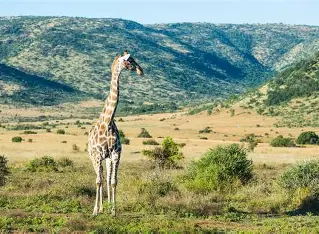
Best for Short Stays
Morning Open Vehicle Safari
Early pickup, morning open vehicle game drive and return to Johannesburg after the safari.
From R2,950 per person
View Morning Safari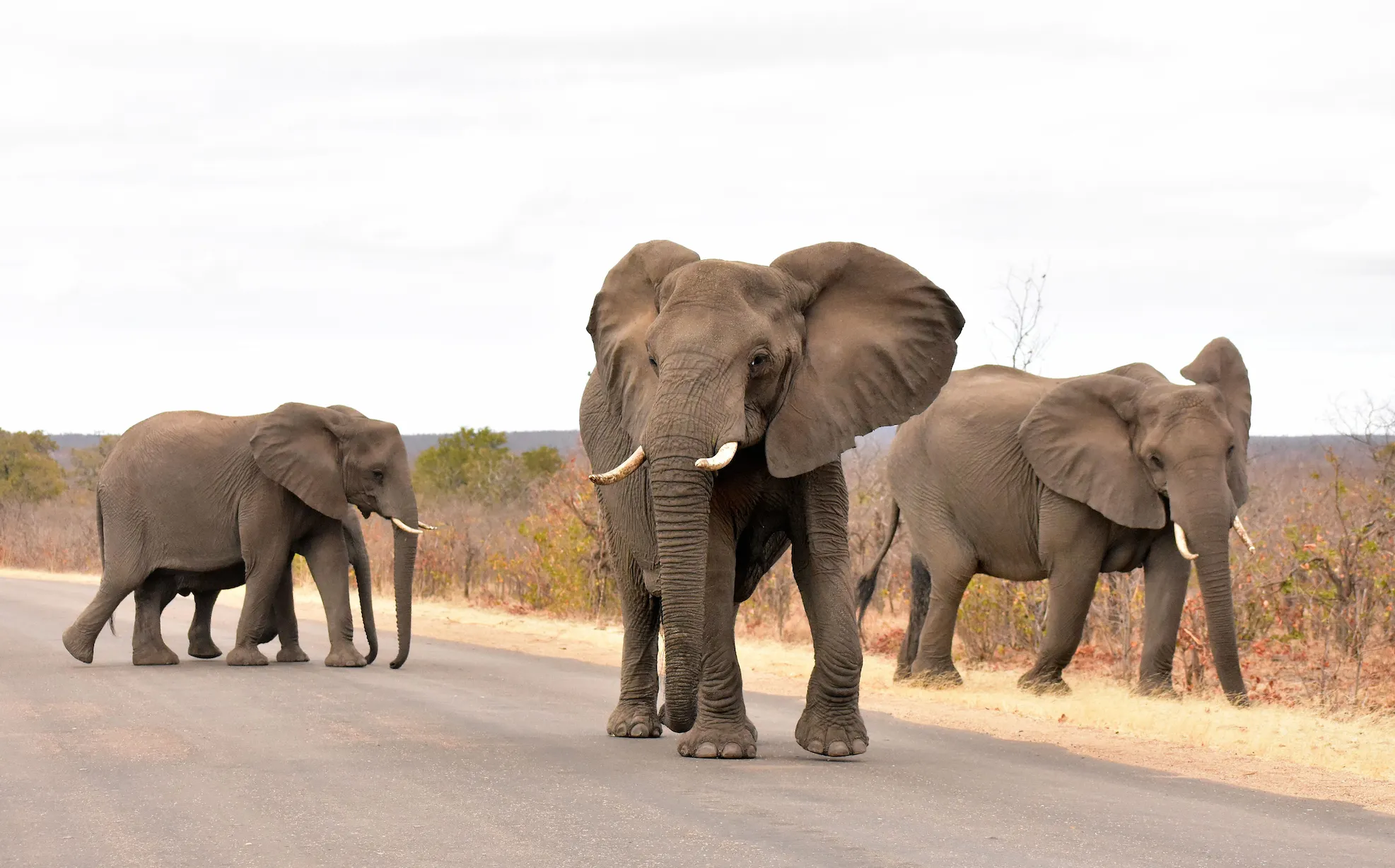
Big Five Safaris Near Johannesburg
Choose from morning, full-day, private, sunset and Sun City combo safaris in a malaria-free Big Five reserve close to Johannesburg and Pretoria.
Pilanesberg National Park is one of the best malaria-free Big Five safari destinations near Johannesburg and Pretoria. It is ideal for visitors who want a real wildlife experience without travelling all the way to Kruger National Park.
Big Six Tour Safaris offers morning safaris, full-day safaris, closed vehicle safaris, sunset safaris and Pilanesberg plus Sun City combo tours.
Pilanesberg National Park is home to the Big Five and is located approximately 180 km from Johannesburg. The map below shows the main gates, lodges, roads and visitor facilities within the park.
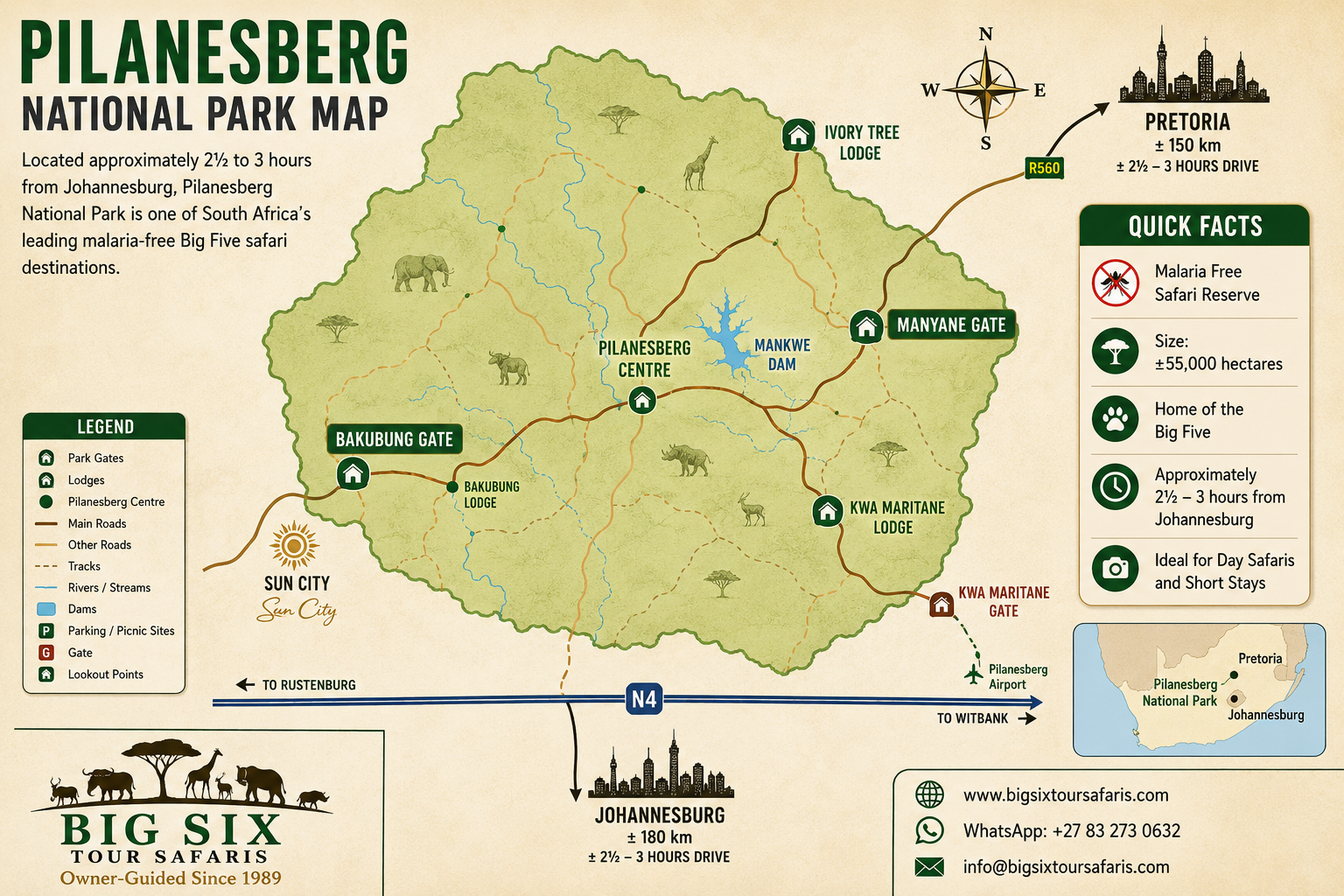
Where is Pilanesberg?
Pilanesberg National Park is one of the closest Big Five safari destinations to Johannesburg and Pretoria. The park is situated in the North West Province, close to Sun City, making it ideal for a morning safari, full-day safari or private day tour from Gauteng.
Big Six Tour Safaris offers owner-guided Pilanesberg safaris from Johannesburg, Pretoria and OR Tambo Airport, with private transfers and guided game-viewing options available.
Choose Your Safari
Select the safari that best fits your available time, travel style and budget.
Best for Short Stays
Early pickup, morning open vehicle game drive and return to Johannesburg after the safari.
From R2,950 per person
View Morning Safari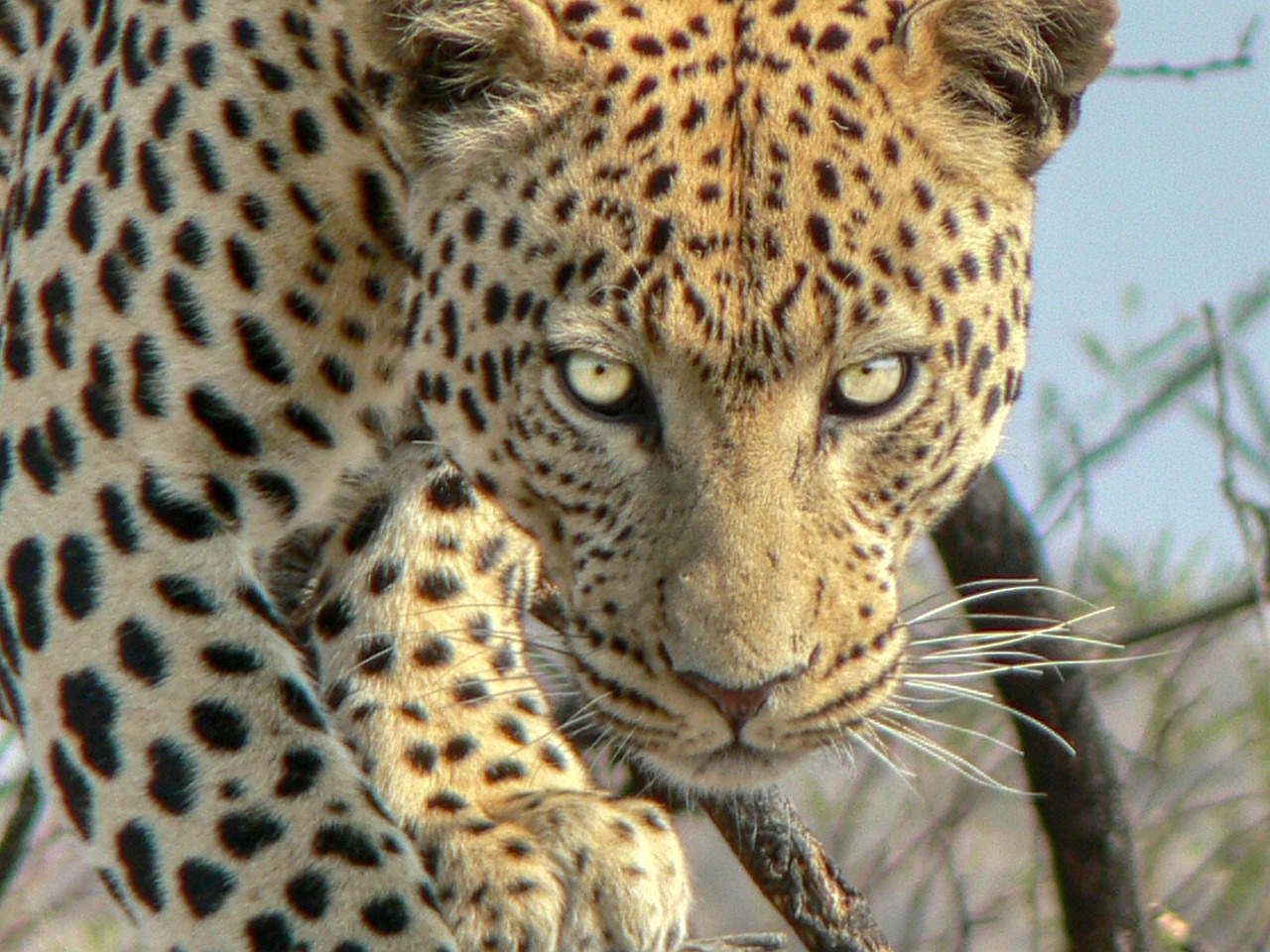
Classic Safari Day
More time in the reserve with morning and afternoon wildlife viewing opportunities.
From R3,450 per person
View Full Day Safari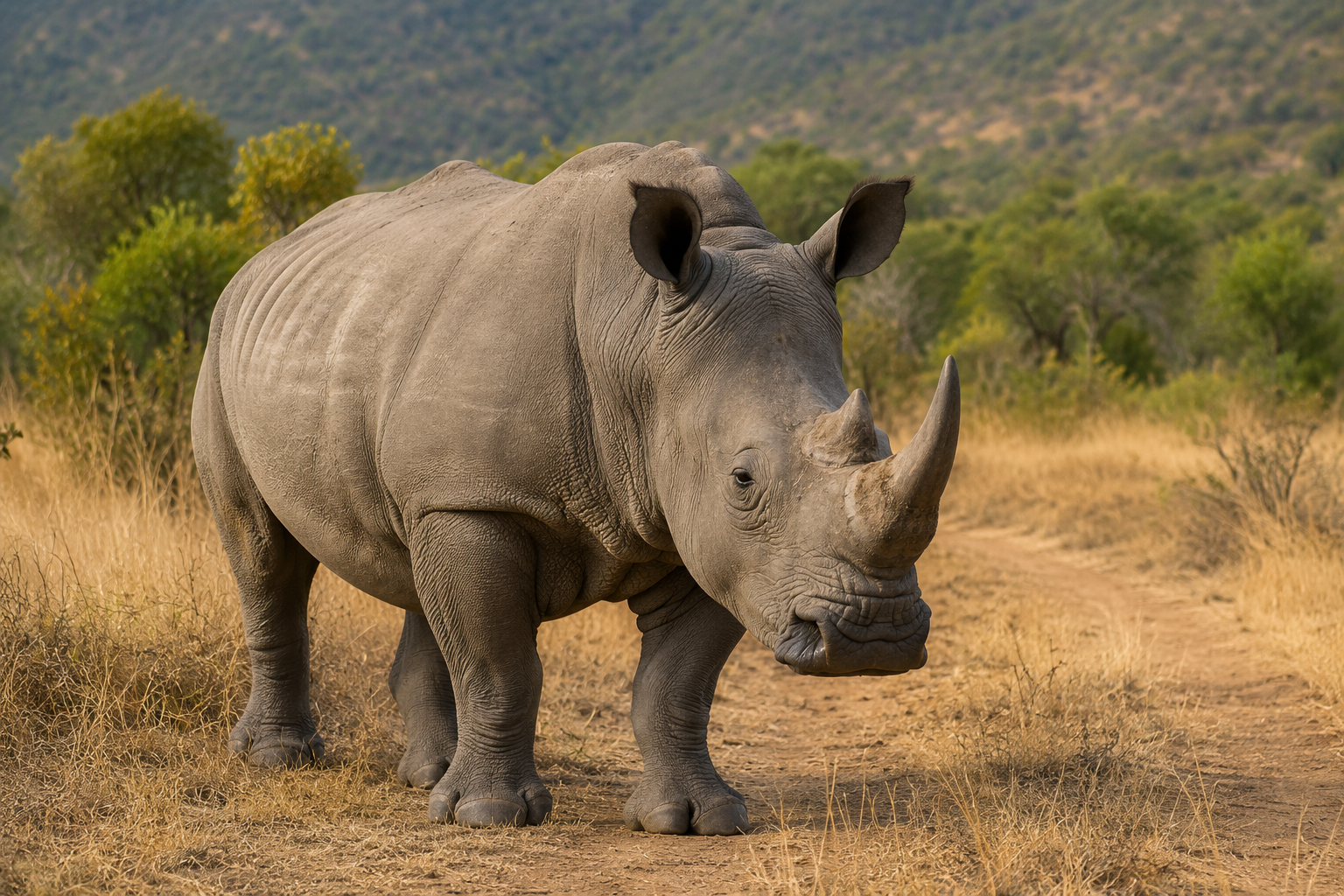
Closed Vehicle Safari
Owner-guided closed vehicle safari, ideal for families, couples and small groups.
From R3,200 per person
View Full Day Closed Vehicle Safari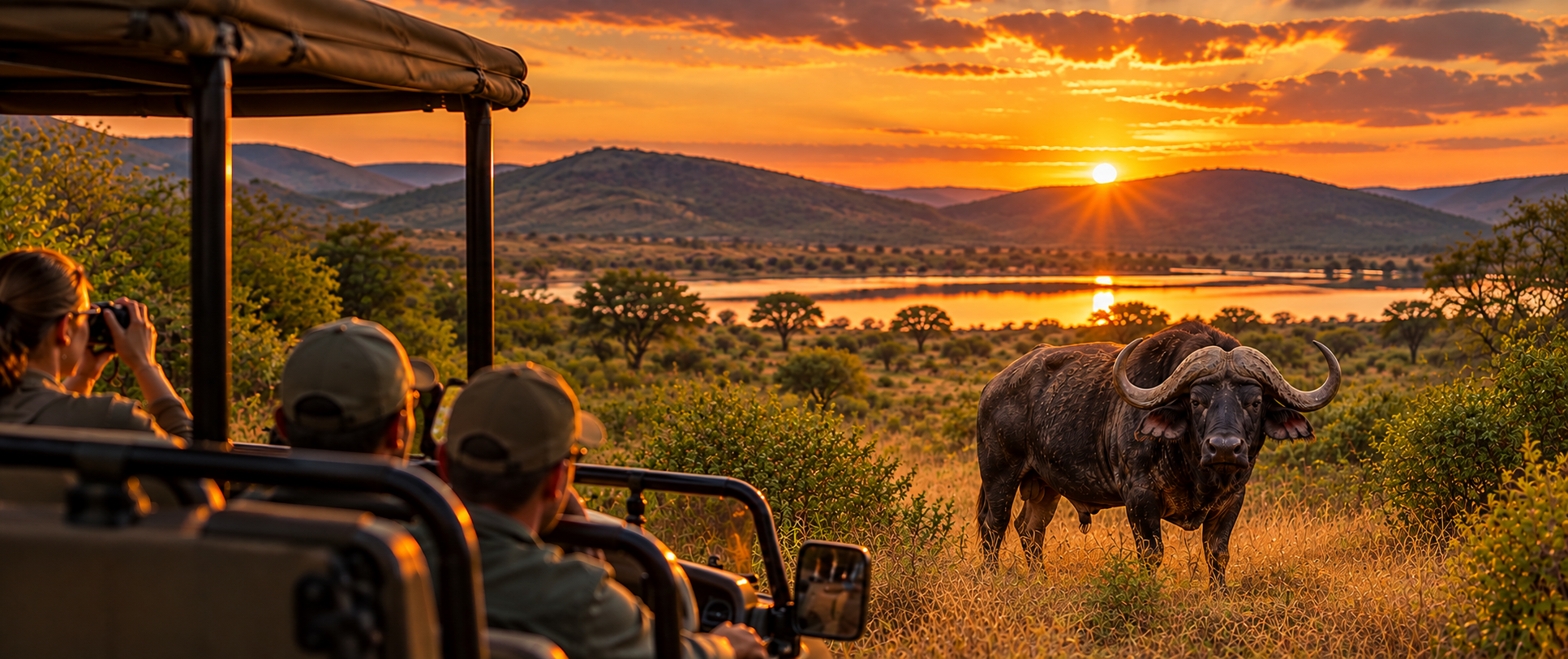
Afternoon & Sunset Safari
Afternoon departure with a 16:00–19:00 open vehicle safari in Pilanesberg National Park.
From R3,700 per person
View Sunset Safari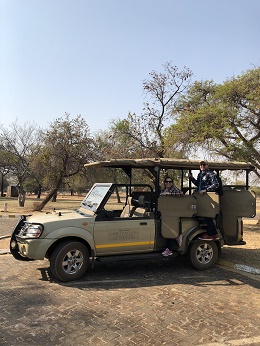
Full Day Wildlife Combo
Morning Big Five open-vehicle safari in Pilanesberg, followed by the afternoon Ukutula walking with lions & predator experience.
From R5,600 per person
View Pilanesberg + Ukutula Combo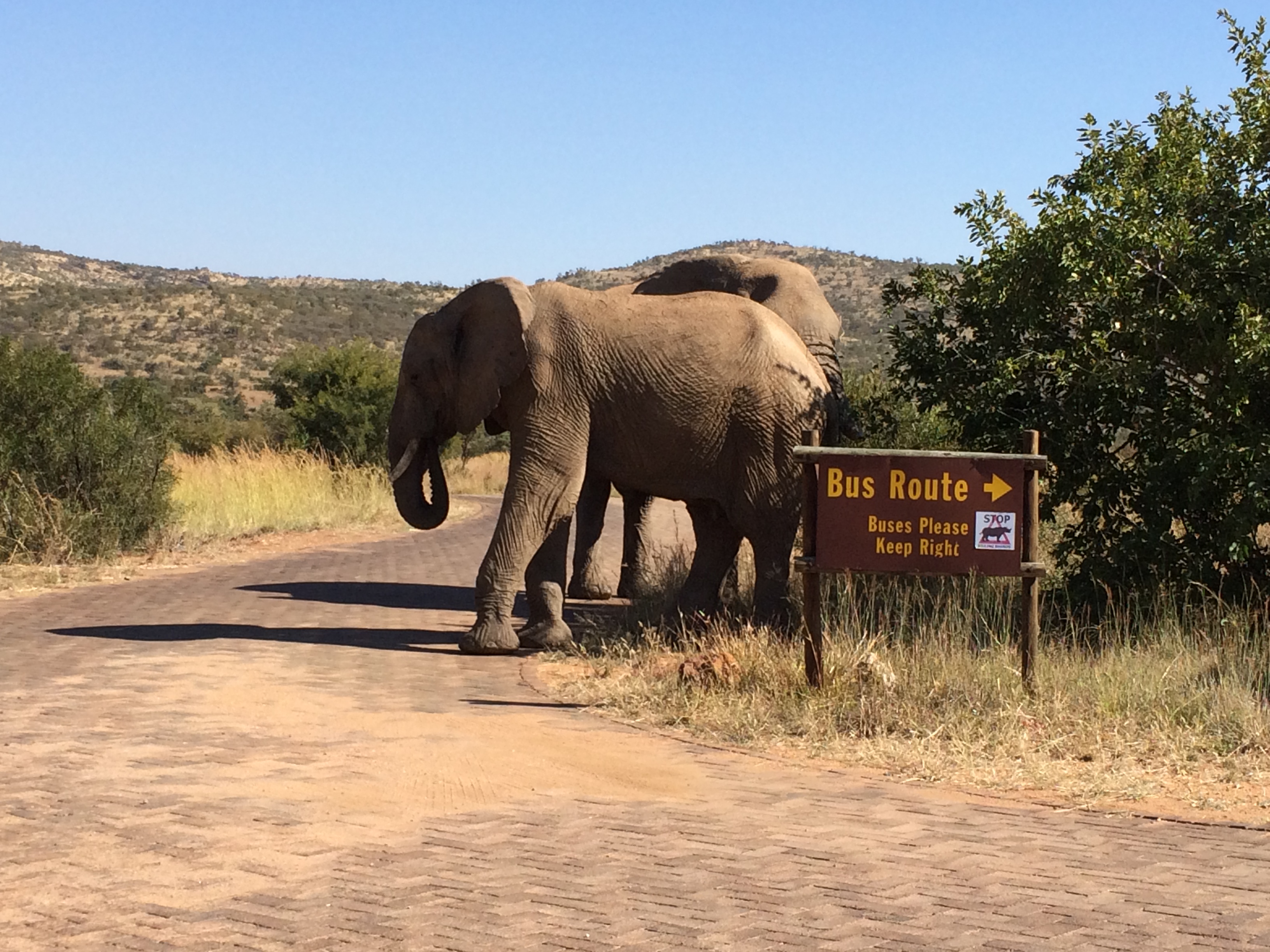
Full Day Wildlife Combo
Morning Elephant Sanctuary experience followed by the afternoon Ukutula walking with lions & predator experience.
From R5,300 per person
View Elephant + Ukutula Combo
Elephant & Sunset Combo
Visit the Elephant Sanctuary followed by a 16:00–19:00 sunset open vehicle safari in Pilanesberg National Park.
From R5,800 per person
View Elephant + Sunset ComboNeed Help Choosing?
Message Pieter directly for fast advice on the best Pilanesberg safari for your travel dates, budget and group size.
Pilanesberg National Park is one of South Africa's most fascinating wildlife destinations, not only because it is home to the Big Five, but also because of its unique geological and cultural history.
The name "Pilanesberg" comes from Chief Pilane, a respected leader of the Bakgatla people who lived in the region during the 19th century. The mountain range surrounding the area became known as the Pilanesberg Mountains, and when the national park was established, it adopted the same name.
Today, the Bakgatla community remains closely connected to the region and continues to play an important role in tourism and conservation around the park.
Yes. Pilanesberg National Park is situated within the remains of an ancient extinct volcano that formed approximately 1.2 billion years ago, making it one of the oldest volcanic structures on Earth.
Over millions of years, erosion removed much of the original volcanic cone, leaving behind the distinctive ring-shaped mountain formations visible today. The volcanic origin of Pilanesberg created a unique landscape of hills, valleys, grasslands, rocky outcrops and water sources that support an incredible variety of wildlife.
Pilanesberg National Park covers approximately 55,000 hectares (550 square kilometres), making it one of South Africa's largest and most accessible game reserves.
The park lies in South Africa's North West Province, approximately 180 kilometres from Johannesburg and about 140 kilometres from Pretoria. This convenient location makes Pilanesberg one of the most popular safari destinations for day tours from Johannesburg.
Pilanesberg National Park was established in 1979 and officially opened as a protected conservation area in 1984.
Before becoming a national park, much of the land was used for farming. One of South Africa's most ambitious wildlife relocation projects, known as Operation Genesis, was launched to stock the reserve with wildlife. Thousands of animals, including elephant, rhino, buffalo, lion and numerous antelope species, were successfully relocated to Pilanesberg from other parts of Southern Africa.
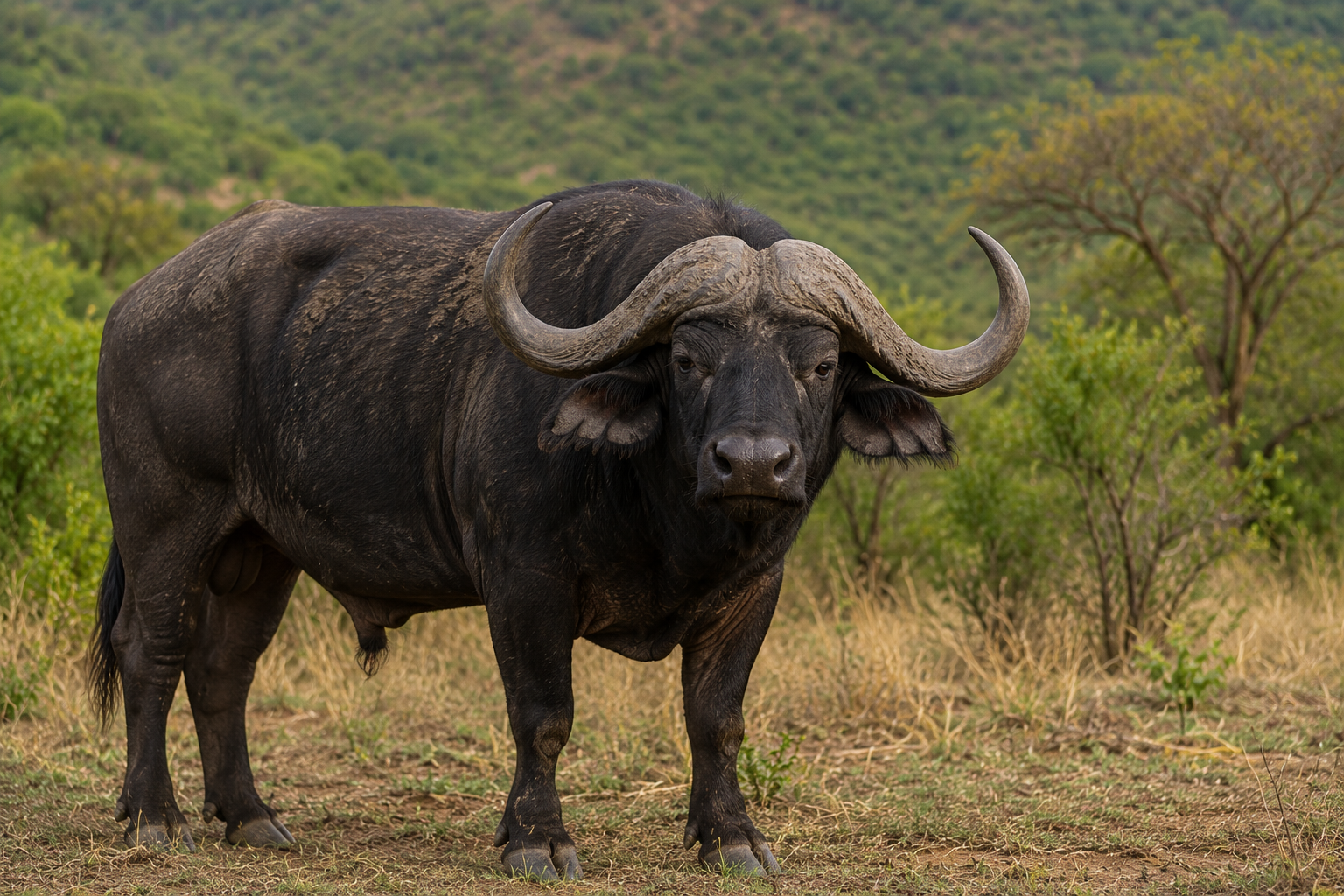
Today, Pilanesberg is home to the famous Big Five:
In addition, visitors may encounter giraffe, zebra, hippopotamus, crocodile, cheetah, wild dog, numerous antelope species and more than 360 bird species.
Today, Pilanesberg National Park attracts visitors from around the world who come to experience its spectacular wildlife, ancient volcanic landscape and rich cultural history. Whether you join a morning safari, full-day safari, private safari or overnight tour, Pilanesberg offers an unforgettable Big Five safari experience in one of South Africa's most unique natural environments.
Both Pilanesberg National Park and Kruger National Park offer outstanding Big Five safari experiences, but they appeal to different types of travellers. If you are staying in Johannesburg or Pretoria and have limited time, Pilanesberg is often the better choice.
Pilanesberg National Park is located approximately 180 km from Johannesburg, making it possible to enjoy a morning safari, full-day safari or private guided safari without spending hours travelling. Kruger National Park is much larger and offers a more remote wilderness experience, but it typically requires a longer journey and is best enjoyed over several days.
| Pilanesberg National Park | Kruger National Park |
|---|---|
| Approximately 2.5–3 hours from Johannesburg | Approximately 5–6 hours from Johannesburg |
| Ideal for day safaris and short breaks | Best for multi-day safari holidays |
| Malaria-free safari destination | Malaria area in some seasons |
| 55,000 hectares | Nearly 2 million hectares |
| Close to Sun City Resort | Remote wilderness setting |
| Excellent wildlife viewing in a compact area | One of Africa's largest game reserves |
If you only have one day available in Johannesburg or Pretoria, Pilanesberg National Park is often the best choice thanks to its close proximity, malaria-free environment and excellent Big Five wildlife viewing opportunities.
Pilanesberg National Park is one of South Africa's premier Big Five safari destinations and offers excellent wildlife viewing throughout the year. Located within an ancient volcanic crater, the park's diverse habitats support a remarkable variety of animals and birdlife, making every game drive unique.
Visitors to Pilanesberg have the opportunity to see the famous Big Five:
In addition to the Big Five, Pilanesberg is home to many other fascinating animals including:
Bird enthusiasts will also enjoy Pilanesberg National Park, which is home to more than 300 bird species. Regular sightings include African Fish Eagles, Kingfishers, Bee-eaters, Hornbills, Secretary Birds and a variety of raptors.
Because Pilanesberg is a relatively compact reserve compared to larger parks, wildlife sightings are often excellent. Combined with its close proximity to Johannesburg and Pretoria, Pilanesberg remains one of the best destinations for a Big Five safari in South Africa.
If you are looking for a convenient Big Five safari from Johannesburg, a Pilanesberg safari is often the perfect choice. Visitors can enjoy excellent wildlife sightings, a malaria-free environment and a full safari experience without the need for long-distance travel. For travellers with more time available, Kruger National Park remains one of Africa's greatest safari destinations.
Pilanesberg National Park is approximately 180 kilometres from Johannesburg and takes about 2 to 2.5 hours to reach.
Pilanesberg National Park is approximately 140 kilometres from Pretoria and takes around 2 hours by road.
Pilanesberg National Park covers approximately 55,000 hectares (550 km²), making it one of South Africa's largest and most accessible game reserves.
Yes. Pilanesberg is a malaria-free Big Five safari destination, making it ideal for families and international visitors.
Yes. Pilanesberg is home to lion, leopard, elephant, buffalo and rhino, as well as giraffe, zebra, hippo and many other wildlife species.
The park is named after Chief Pilane, a leader of the Bakgatla people who lived in the region during the 19th century.
Yes. Pilanesberg lies within the remains of an ancient extinct volcano that formed approximately 1.2 billion years ago.
The best safari depends on your available time. Morning safaris are ideal for short visits, while full-day and private safaris provide more wildlife viewing opportunities.